Heartfelt Answers from a Kenosha Funeral Director
After years of meeting with families during some of the most challenging moments of their lives, I’ve noticed something: most people have many of the same questions, but they’re often hesitant to ask them. Perhaps it feels awkward. Perhaps they feel the question is too basic. Or maybe they simply don’t know where to start.
I can certainly understand the hesitation. Death isn’t something most of us talk about until we have to. And when that moment comes, whether you’re planning ahead or you have just lost someone you love, the last thing you need is confusion on top of grief.
So I wanted to write down the ten questions I hear most often when I am meeting with families at Piasecki Funeral Home, along with the straightforward answers I’d provide to you if we were sitting across from each other at our arrangement table. No jargon, no sales pitch… simply the information you need to make decisions that feel right for you and your family.
1. What’s the difference between a funeral service and a memorial service?
This one comes up a lot, and it’s more simple than you might think.
A funeral service refers to an event that occurs with the body present, usually before burial or cremation. There’s often a visitation beforehand where people can pay their respects.
A memorial service is held without the body present. Instead, cremated remains (or sometimes no remains at all) represent your loved one’s physical body. This event might take place quite some time after the death occurs, which gives families more flexibility, especially when considering long-distance travel arrangements or weather conditions that are unpredictable or undesirable.
Neither is better nor more meaningful than the other. I’ve witnessed incredibly moving funeral services and joyous memorial services and celebrations of life. What matters is that the service you choose reflects who your loved one was and gives your family a chance to grieve together. That’s the whole point.
2. How much does a funeral actually cost?
I’m going to be direct with you, because I think families deserve honesty here.
My answer is: it varies widely. A traditional funeral with viewing and burial tends to be the most comprehensive option, while cremation services are typically less expensive. Direct cremation, which involves no services conducted by the funeral home before or after cremation, is usually the most economical choice.
What drives the cost? A lot of factors: the casket or urn you choose, whether the service you’ve selected requires that your loved one be embalmed, the use of our facilities, cemetery fees, flowers, printed programs, and any reception or catering. It all adds up.
Here’s what I always tell families: you have more control than you might think. Federal law requires us to give you an itemized price list so you can choose exactly what you want, nothing more, nothing less. We’ll work with whatever budget you’re comfortable. I’ve helped families create beautiful, meaningful services across a wide range of price points.
The goal isn’t to spend a certain amount. The goal is to honor someone you love in a way that feels right to you.
3. Burial or cremation… How do we decide?
This is deeply personal, and there’s no wrong answer.
Some families have strong religious or cultural traditions that guide this decision. Others base it on practical considerations — cost, flexibility, or what they want to do with the remains after the cremation.
With a burial, you will always have a permanent place to visit. Something is grounding about that for a lot of people.
With cremation, you have options. Keep the urn at home. Scatter the ashes somewhere meaningful. Divide them among family members. Inter them in a columbarium. I’ve even helped families turn ashes into memorial jewelry or could help them transform the cremated remains into memorial stones.
One thing people don’t always realize: choosing cremation doesn’t mean skipping a funeral. Plenty of families hold a full, open-casket visitation and service before cremation, or a memorial service afterward. You’re not giving up anything, you’re simply choosing a different path for what happens after.
4. Do we have to do embalming?
No. Embalming is not required by law in most situations.
That said, it is required by our funeral home if you choose to have an open-casket viewing, or if there’s going to be a significant delay between death and the funeral. It preserves the body and allows families more time to make decisions.
If a family chooses not to embalm, refrigeration works well for keeping the body for several days. For direct cremation or immediate burial, embalming usually isn’t needed at all.
I never push families toward embalming. We talk through what they’re hoping to do, and I explain what makes sense for their situation. It’s always your choice.
5. Someone just died — what do we do first?
Take a breath. You don’t have to figure out every single detail in the next hour.
If your loved one passed at home or somewhere other than a hospital, call 911 or the hospice nurse if they were under hospice care. A medical professional needs to officially pronounce the death.
After that, call us. We’re here 24 hours a day at (262) 658-4101. In the middle of the night, weekends, holidays, doesn’t matter. I’ve taken calls at 3 a.m. and walked families through exactly what to do next.
We’ll come to wherever your loved one is and bring them into our care. Then, usually within a day or two, we’ll sit down together to plan the services. I’ll handle the official documents such as death certificates, permits, notifications to Social Security, veterans’ benefits if applicable.
You don’t need to have answers ready when you call. That’s what we’re here for.
6. Why would someone plan their funeral ahead of time?
It’s one of the kindest things you can do for your family.
I’ve sat with too many families who are grieving AND stressed because they’re second-guessing every decision. “Would Mom have wanted this?” “Is this what Dad would have chosen?” “Are we spending too much? Not enough?” It’s exhausting on top of heartbreak.
When someone pre-plans, all those decisions are already made. Your family knows exactly what you wanted. There’s no guessing, no arguments between siblings, no guilt.
Prepaid funeral funds will grow in value as an investment, which helps to buffer the rising cost of inflation. Also, if Medicaid planning is part of your financial picture, prepaid funeral funds are often exempt from asset calculations.
You don’t need to be elderly or sick to create a preplan. Some of the folks I’ve helped with this are in their 50s or 60s, healthy and active. We offer free consultations, no pressure, no obligation. It’s simply a conversation.
7. Can we make the funeral more personal?
Please do. This is actually one of my favorite parts of my profession — helping families create something that truly reflects who their loved one was.
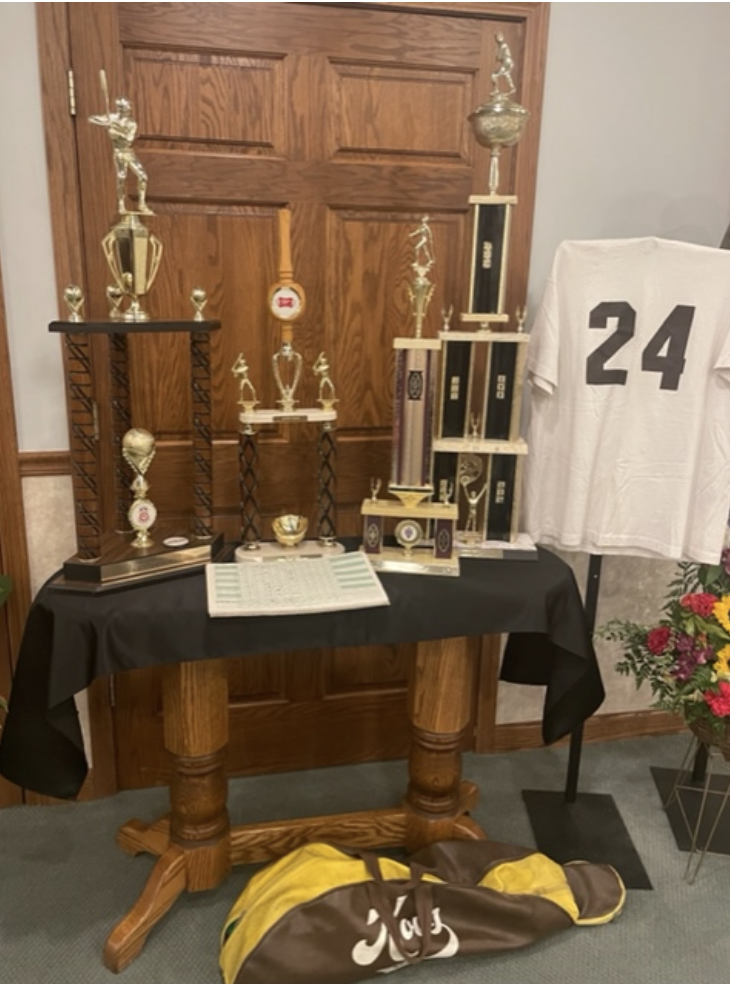
I’ve helped set up a memorial where we displayed a man’s entire fishing rod collection. Another family brought in their mom’s quilts and draped them over every chair. We’ve played everything from Sinatra to AC/DC. One family set up a tailgate theme because their dad never missed a Packers game. We’ve had boats, cars, motorcycles, and lawnmowers in the chapel, along with drum sets and an entire crystal collection. The possibilities are endless!
Photo slideshows, favorite poems, memory tables with personal items, charitable donations instead of flowers, open mic time for stories, all of it is on the table.
The most memorable funerals of which I’ve been a part are the ones where you walk away feeling like you really knew that person, even if you’d never met them. That’s what we’re aiming for. Tell me about your loved one, and we’ll figure out how to honor them in a way that feels true.
8. What exactly does a funeral director do?
More than most people realize!
The logistics alone are significant: coordinating transportation, preparing the body, scheduling with churches and cemeteries, arranging for flowers and programs, and obtaining death certificates. I’m often on the phone with clergy, florists, caterers, newspapers, the Veterans Administration, and Social Security, all while a family is trusting me to make sure nothing falls through the cracks.
But the part of the job I take most seriously? Being present with families. Listening. Anticipating what they need before they know they need it. Recognizing when someone is struggling and gently connecting them with grief support.
I became a funeral director because I wanted to help people through one of life’s hardest passages. The documentation and logistics matter, but it’s the human part that provides me with the greatest fulfillment.
9. Should we bring the kids to the funeral?
This is a question I get from almost every family with young children, and I understand the hesitation.
Here’s what I’ve observed over the years: children generally handle funerals better than we expect. When we try to protect them from death by keeping them away, we sometimes make it scarier and more confusing than it needs to be.
Funerals can actually help kids understand that death is a natural part of life. They get to see adults grieving in healthy ways. They get a chance to say goodbye. For some children, being included is really important, and being left out can feel worse.
That said, you know your child. Some kids aren’t ready, and that’s okay, too.
If you do bring them, I’d suggest explaining beforehand what they’ll see and hear. Let them decide whether they want to approach the casket. Have a trusted adult ready to step out with them if they get overwhelmed. And maybe give them a small role, like placing a flower, drawing a picture to leave behind, so they feel included rather than like a bystander.
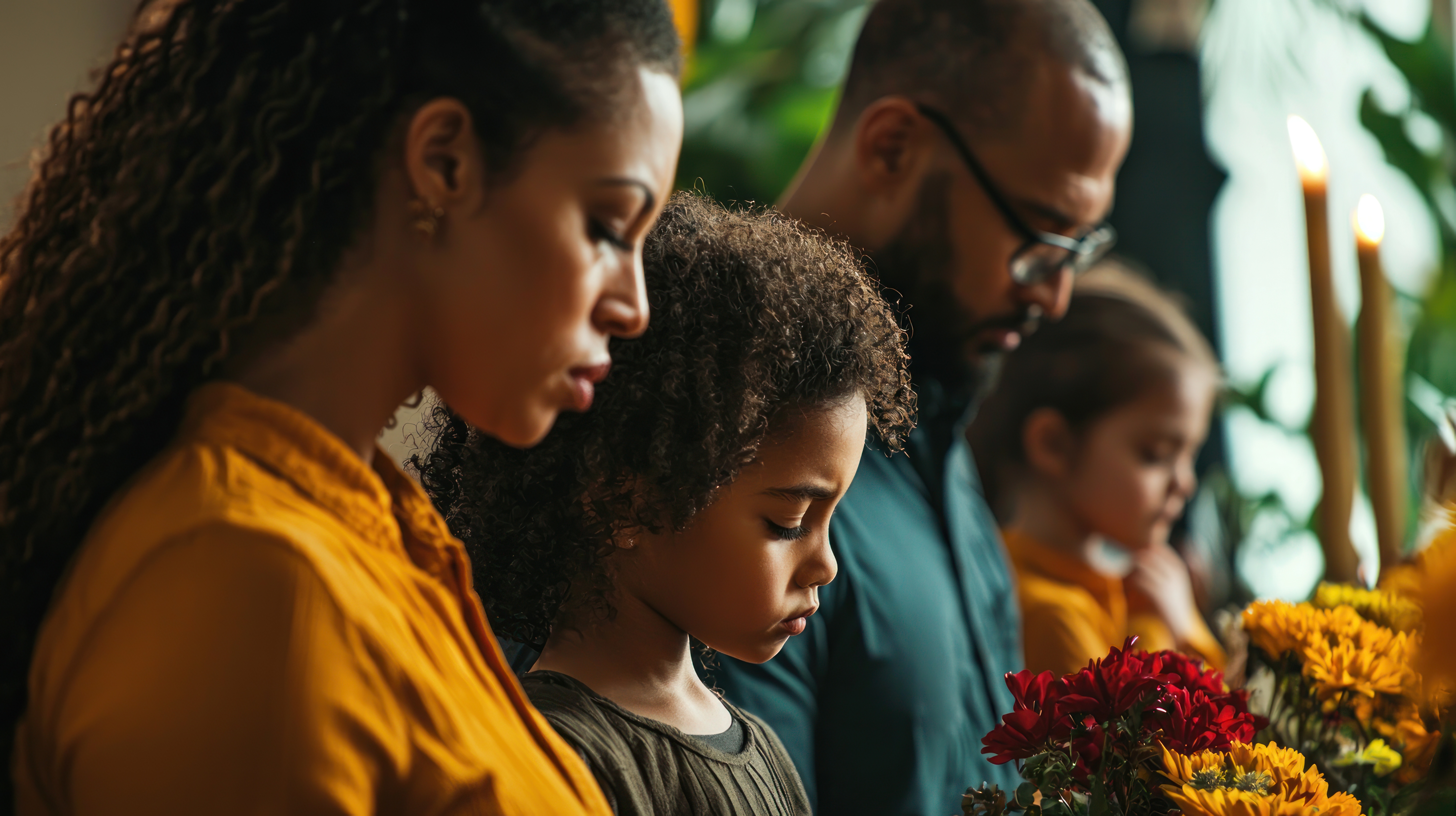
Our staff is always mindful of children at services. We’re happy to answer their questions too. Sometimes the honest curiosity of a kid is actually refreshing in a room full of grieving adults.
We’re also honored to have K9 Millie, Kenosha’s first and only certified funeral home therapy dog, here to welcome your children. K9 Millie is a trained, AKC-titled Certified Therapy Dog whose sole purpose is to offer comfort, companionship, and unconditional love to those who need it most. For children who don’t know how to feel or what to do when they walk through our doors, K9 Millie has a remarkable way of meeting them exactly where they are. Whether it’s a child’s first experience with loss or one colored by a difficult memory from a previous funeral,K9 Millie’s calm, gentle presence can transform that experience in ways words simply cannot. She’s not a distraction from grief… she’s a bridge through it.
10. How do I choose the right funeral home?
Trust your gut.
When you walk into a funeral home or talk to someone on the phone, you should feel like they’re actually listening to you — not rushing you through a checklist or steering you toward the most expensive options.
Ask for the General Price List. Any reputable funeral home will hand it over without hesitation. We believe in complete transparence, so ours is published on our website as well (https://www.kenoshafuneralhome.com/general-price-list/). Look at their facilities. Are they clean, comfortable, welcoming? Read reviews or ask around in your community.
And think about what matters to you. Do they offer the services you need — burial, cremation, pre-planning? Are they available when you need them? Do they seem like people you’d feel comfortable with during an incredibly difficult time?
At Piasecki Funeral Home, we’ve been serving Kenosha families since 1931, nearly a century of walking alongside people through loss. I can’t speak for other funeral homes, but I can tell you what we believe: every detail counts, and every memory matters. That’s not a slogan. It’s how we approach every family that trusts us with their loved one.
Got More Questions? Just Ask.
I know this is a lot to take in, especially if you’re reading this during a difficult time. If something I wrote raises more questions, or if you need to talk through your situation with someone, I’m here.
You can call us anytime, day or night, at (262) 658-4101. Whether you’re facing an immediate need or just thinking about the future, there’s no such thing as a foolish question. I’d rather you ask than worry in silence.
We’re here when you need us. That’s a promise.